

Corpus Christi is going to run out of water
As Texas temperatures soar, the city of over 300,000 residents is racing against time to avoid a looming water crisis.

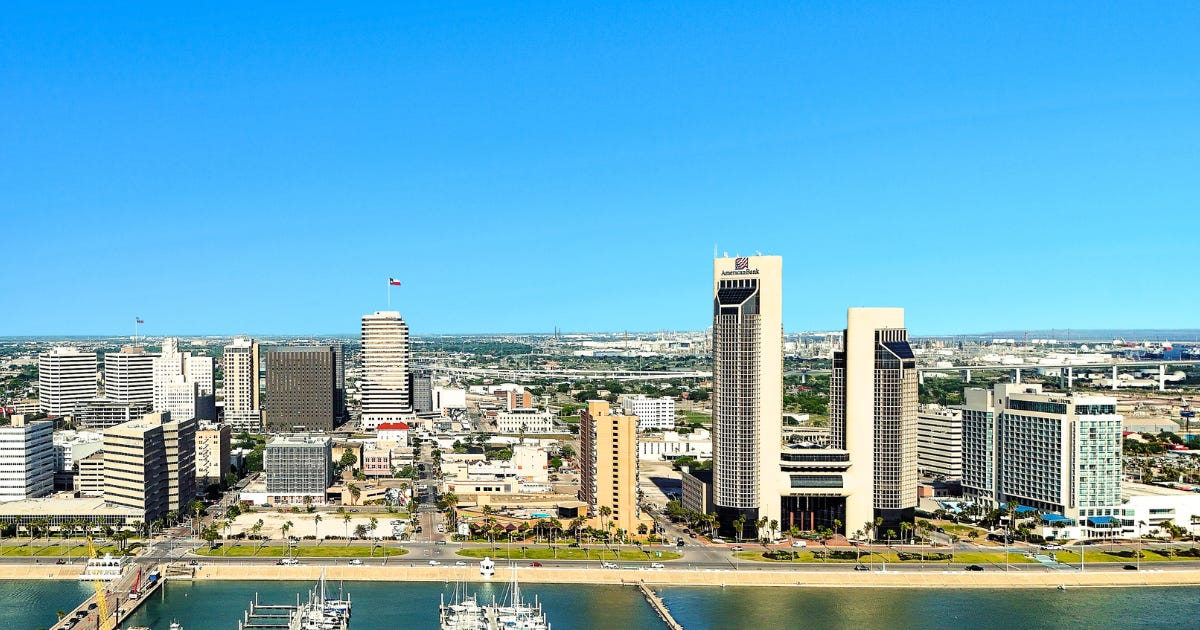
Despite sitting on the coast of the Gulf of Mexico, Corpus Christi faces a growing water crisis as city leaders warn summer demand could soon outpace supply. According to the city’s water supply dashboard, they currently have 346 days until they reach a Level 1 Water Emergency that would affect over a quarter of a million residents.
Corpus Christi has historically received much of its fresh water from Lake Corpus Christi and the Choke Canyon Reservoir. Due to widespread industrial expansion in the region, these water sources have not been able to keep pace with the growing demand and water levels have noticeably declined. Earlier this month it was reported that Lake Corpus Christi water levels dropped below 10%, a stunning decline that critics say is the direct result of unchecked industrial demand.
U.S. Senate Candidate James Talarico (D) released a statement slamming Texas Republicans for failing to reign in corporations for their ever-increasing water demand. Companies like Tesla and Exxon operate massive facilities in the region that have driven demand beyond a point that natural water fresh levels can reasonably supply. Exxon’s facility alone uses around 25 million gallons of water per day at full capacity.
“Giant corporations have guzzled water from Corpus Christ’s already limited supply for years — using more water than all residents combined. Now the city is facing an emergency water shortage, and politicians like John Cornyn, Ken Paxton, and Greg Abbott are protecting the interests of corporations and the billionaires who run them at the expense of the people of Corpus Christi.”
— James Talarico
The overall demand for fresh water in Corpus Christi is expected to explode with the opening of the new Harbor Bridge that now allows larger vessels and a higher volume of ships to pass through. This makes Corpus Christi’s ports a much more attractive business opportunity for a wide range of companies throughout the supply chain process. This growth will place significant pressure on the region’s declining water supplies, even as state leaders appear unconcerned about the broader statewide trend of dwindling freshwater sources.
City leaders attempted to tackle this issue by investing in a desalination plant, but ultimately decided against it after cost estimates ballooned from $160 million to over $1.2 billion. This forced the city council to scramble to find alternatives, which led to the approval of a $175 million brackish desalination plant alongside other scaled-down projects. Unfortunately, they aren’t expected to come online until later this year, long after the projected date for the water emergency declaration.
It’s unclear how the city plans on filling the gaps in demand before their new infrastructure comes online, but state leaders have threatened to takeover and micromanage the city if a solution is not found.